
The Vegan Database
Vegan alternatives to beeswax
Beeswax is commonly used as a thickener, stabilizer, and protective coating in foods, cosmetics, candles, and household products. Vegans typically replace beeswax with plant-based or synthetic waxes that provide similar structure and performance.
Why vegans avoid beeswax
Beeswax is produced by bees and is not considered vegan. Even when harvested without killing bees, beeswax involves animal exploitation and is avoided by most vegans.
What beeswax is used for
Beeswax provides structure, thickness, and water resistance. It is used in products such as lip balms, lotions, candles, food coatings, and polishes where firmness and stability matter.
Common vegan alternatives (by use case)
Plant waxes
Waxes derived from plants, such as carnauba or candelilla, are commonly used in cosmetics and food applications.
Soy wax
A plant-based wax frequently used in candles and some coatings. It behaves differently from beeswax but provides solid structure.
Sunflower and rice bran wax
Plant-derived waxes often used in personal care products to provide firmness and texture.
Synthetic waxes
Lab-produced waxes used when precise melting points and consistent performance are required.
What to watch for when choosing a substitute
Different waxes melt at different temperatures and provide varying levels of hardness and gloss. A substitute that works well in candles may not behave the same way in cosmetics or food coatings.
Product labels may list “natural wax” without specifying the source. Checking ingredient lists or manufacturer details is the most reliable way to confirm whether a wax is plant-based.
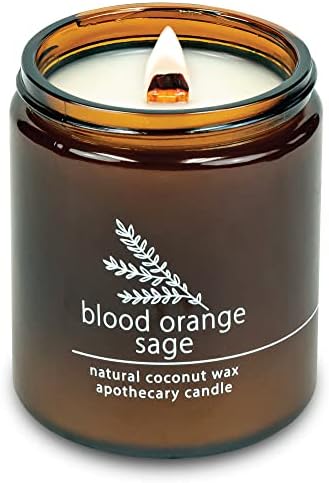
Some example products are shown below. These links may lead to Amazon.


Related pages
Affiliate disclosure: Some pages may contain affiliate links. If you buy through those links, we may earn a commission at no extra cost to you.