
The Vegan Database
Vegan alternatives to honey
Honey is commonly used as a sweetener and flavor ingredient in foods, drinks, and natural remedies. Vegans typically replace honey with plant-based sweeteners that match the intended use — sweetness, flavor, thickness, or baking performance.
Why vegans avoid honey
Honey is produced by bees and is not considered vegan. Most vegans avoid honey because it involves animal exploitation, even when marketed as “raw,” “local,” or “natural.”
What honey is used for
Honey provides sweetness, floral flavor, and thickness. In cooking and baking, it can also affect moisture and browning. That’s why the best vegan substitute depends on whether you need honey’s flavor, its texture, or just sweetness.
Common vegan alternatives (by use case)
For tea and drinks
Mild liquid sweeteners dissolve easily and can mimic honey’s convenience. Flavor is the main variable here, not structure.
For baking
Honey affects moisture and browning. In many recipes, a liquid sweetener works as a replacement, but texture may change slightly depending on the substitute.
For glazes and sauces
Thicker syrups are often used when honey’s viscosity matters. Some substitutes also add color and caramel notes similar to honey.
For honey-like flavor
Some vegan alternatives focus on floral or caramel notes rather than exact sweetness. These work best when honey is used as a signature flavor, not just sugar.
What to watch for when choosing a substitute
Honey can appear in foods that otherwise look vegan, especially cereals, granola, snack bars, and sauces. Checking the ingredients list is the most reliable way to confirm.
If you’re comparing “plant-based” claims on packaging, this guide explains how the term is commonly used in practice: what “plant-based” really means.
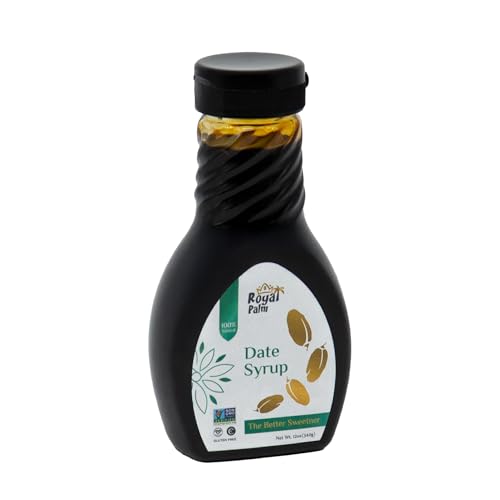
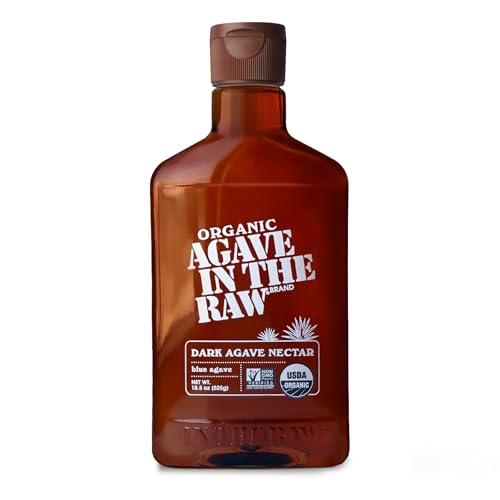
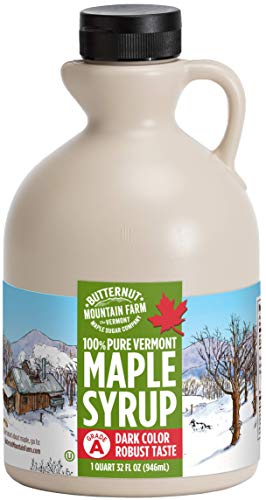
Some example products are shown below. These links may lead to Amazon.
Related pages
Affiliate disclosure: Some pages may contain affiliate links. If you buy through those links, we may earn a commission at no extra cost to you.