
The Vegan Database
Vegan alternatives to whey
Whey is a milk-derived protein commonly used in supplements, baked goods, processed foods, and sports nutrition. Vegans replace whey with plant-based proteins or functional ingredients depending on whether the goal is protein, texture, or processing performance.
Why vegans avoid whey
Whey is derived from animal milk and is not vegan. It is a byproduct of cheese production and appears in protein powders, nutrition bars, baked goods, and flavorings.
What whey is used for
Whey is primarily used as a fast-digesting protein source. In food manufacturing, it can also affect texture, moisture retention, and browning, which means replacements depend on how whey is being used.
Common vegan alternatives (by use case)
Plant-based protein powders
Proteins derived from peas, soy, rice, or blends are commonly used in place of whey for protein intake and supplementation.
Whole-food protein sources
In foods, protein can come from legumes, grains, nuts, and seeds rather than isolated protein ingredients.
Functional plant proteins
Some plant proteins are chosen for how they behave in baking or processing, helping with structure or moisture instead of nutrition alone.
Non-protein functional ingredients
When whey is used for texture or binding rather than protein, plant-based gums, starches, or fibers may be used instead.
What to watch for when choosing a substitute
Whey can appear under several names, including whey powder and whey protein isolate. Products marketed as “high-protein” or “sports nutrition” are especially likely to contain whey unless clearly labeled otherwise.
Some foods labeled “dairy-free” still contain milk-derived ingredients. Checking full ingredient lists is the most reliable approach.
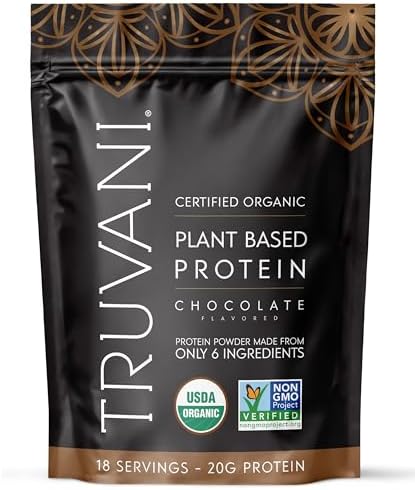
Some example products are shown below. These links may lead to Amazon.


Related pages
Affiliate disclosure: Some pages may contain affiliate links. If you buy through those links, we may earn a commission at no extra cost to you.