
The Vegan Database
Vegan alternatives to gelatin
Gelatin is commonly used for gelling, thickening, and binding in foods, desserts, supplements, and some non-food products. Vegans replace gelatin with plant-based ingredients that perform similar functions depending on how gelatin is used.
Why vegans avoid gelatin
Gelatin is derived from animal collagen and is not vegan. It is commonly sourced from pigs or cows and appears in sweets, desserts, capsules, and processed foods.
What gelatin is used for
Gelatin provides structure by forming a gel when cooled. It is used to set desserts, thicken liquids, stabilize foams, and bind ingredients in both food and non-food products.
Common vegan alternatives (by use case)
Agar agar
A seaweed-derived gelling agent that sets firmly and works well in jellies, desserts, and some savory applications.
Pectin
A fruit-derived thickener commonly used in jams and fruit-based gels. It behaves differently depending on sugar and acidity levels.
Carrageenan
A seaweed-derived ingredient used for thickening and stabilizing in dairy alternatives and processed foods.
Starches and gums
Ingredients such as tapioca starch or plant gums can replace gelatin when thickening or binding is the main goal.
What to watch for when choosing a substitute
Gelatin alternatives differ in firmness, mouthfeel, and temperature sensitivity. Some set at room temperature, while others require refrigeration. Recipe adjustments are often necessary.
In supplements, gelatin is commonly used in capsules. If capsules are the issue, see: vegan alternatives to gelatin capsules.
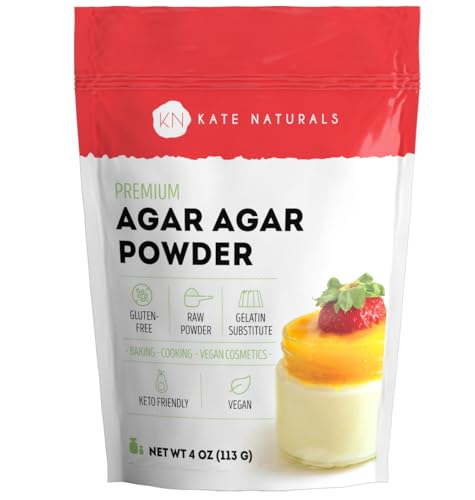
Some example products are shown below. These links may lead to Amazon.

Related pages
Affiliate disclosure: Some pages may contain affiliate links. If you buy through those links, we may earn a commission at no extra cost to you.